
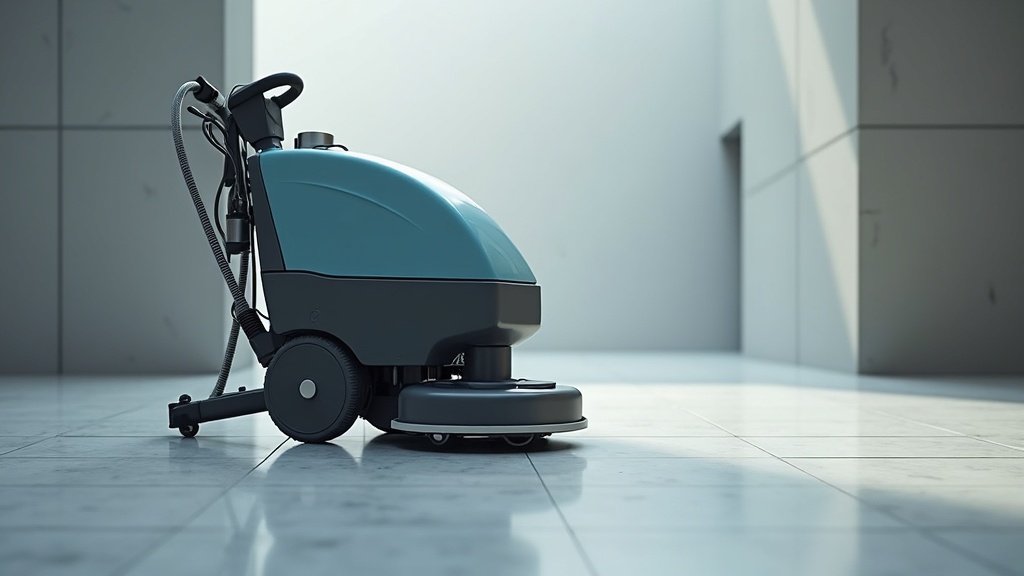
Commercial Grout Cleaning Machine: Key Features & Uses
A commercial grout cleaning machine is a powerful tool used in industrial settings to restore and maintain grout lines in tile and stone surfaces. This article explores the key features, market data, and practical applications for these robust cleaning units, providing essential insights for facility managers and cleaning professionals.
Table of Contents
- Market Overview and Growth
- Key Features of Modern Machines
- Applications in Industrial Settings
- Maintenance and Best Practices
- Frequently Asked Questions
- Comparison of Cleaning Methods
- Practical Tips for Effective Use
- Final Thoughts
Key Takeaway: A commercial grout cleaning machine is a specialised piece of equipment designed for deep cleaning grout lines in large-scale commercial and industrial environments. These machines use advanced technology like high-pressure steam or superheated water to remove embedded dirt, grease, and grime, significantly improving hygiene and extending the life of tiled surfaces.
Market Snapshot: Grout Cleaning Equipment
- Electric and steam-based grout cleaning equipment collectively account for nearly half of the market (Strategic Market Research, 2024)[1].
- The global grout cleaning equipment market is projected to expand at a compound annual growth rate of 5.43% (Yahoo Finance quoting market research, 2024)[2].
- Advanced grout cleaning machines using superheated water create vapor containing very low moisture content of 5-6% (Accio, 2026)[3].
Introduction
A commercial grout cleaning machine is no longer a luxury but a necessity for maintaining high standards of cleanliness in various sectors. From restaurant kitchens and hospital floors to large retail spaces and industrial facilities, dirty grout can harbour bacteria, create slip hazards, and detract from the overall professional appearance. These machines offer a far more efficient and effective solution than manual scrubbing, saving time and labour costs while delivering superior results. This article will break down the market trends, core technologies, practical applications, and best practices for using these essential pieces of cleaning equipment.
Market Overview and Growth
The demand for commercial grout cleaning machines is on the rise, driven by increased awareness of hygiene standards and the need for efficient facility maintenance. The market is projected to expand at a compound annual growth rate of 5.43% (Yahoo Finance quoting market research, 2024)[2], reflecting a sustained investment in professional cleaning equipment. This growth is underpinned by the shift from chemical-heavy cleaning methods to more sustainable and effective mechanical solutions.
Technology Driving the Market
A significant portion of this market growth is attributed to electric and steam-based technologies. In fact, these two types of equipment collectively account for nearly half of the market (Strategic Market Research, 2024)[1]. This indicates a clear preference for machines that offer powerful cleaning without the need for harsh chemicals, making them safer for operators and the environment. The ability of a commercial grout cleaning machine to deliver high-temperature cleaning is a key selling point. Advanced models can clean at temperatures above 200°F (Accio, 2026)[3], which is critical for dissolving tough grease and killing bacteria.
Key Market Segments
The market caters to a variety of end-users, including:
- Hospitality: Hotels and restaurants require pristine floors for aesthetic and health code compliance.
- Healthcare: Hospitals and clinics need the highest level of sanitation, making the 99.9% pathogen kill claim of some advanced machines attractive (Accio, 2026)[3].
- Retail & Commercial: Large retail spaces and office buildings use these machines for routine maintenance to preserve the look of high-traffic areas.
- Industrial: Factories and warehouses use them to clean grout in areas exposed to oils, chemicals, and heavy dirt.
Key Features of Modern Machines
Modern commercial grout cleaning machines are engineered with specific features to maximise efficiency and cleaning power. When selecting a machine, understanding these core components is essential for making an informed investment. The primary technologies revolve around heat, pressure, and moisture control.
Superheated Water and Steam Technology
The most effective machines use superheated water or steam. The steam or hot water is applied at high pressure to force dirt out of the porous grout. A critical feature is the moisture content of the resulting vapor. Next-generation machines can create vapor with a moisture content of just 5-6% (Accio, 2026)[3]. This is crucial because it means the surface dries incredibly fast, reducing downtime and the risk of slip-and-fall accidents. This low-moisture vapor also prevents water from seeping under tiles, which can cause delamination and mould growth.
Heat and Sanitisation Capabilities
Heat is a primary weapon against grime and pathogens. A top-tier commercial grout cleaning machine can heat water to over 200°F (Accio, 2026)[3]. This high temperature is not just for cleaning; it is for sanitising. The combination of heat and pressure is effective enough to kill 99.9% of pathogens on contact (Accio, 2026)[3]. This feature is particularly vital in healthcare and food service environments where sanitation is non-negotiable. The ability to clean and sanitise in a single pass saves significant time and labour.
Ease of Use and Portability
For a machine to be effective in a commercial setting, it must be easy to operate and move. Features to look for include:
- Ergonomic Handles and Controls: Reduces operator fatigue during long cleaning sessions.
- Compact Design: Allows for easy manoeuvrability in tight spaces like restrooms and between tables.
- Large Water Tanks: Minimises the need for frequent refills, increasing productivity.
- Durable Construction: The machine should be built to withstand the rigours of daily commercial use.
Applications in Industrial Settings
While these machines are common in commercial kitchens and hospitals, their application in industrial environments is growing. The robust construction and powerful cleaning capabilities make them ideal for tackling the toughest grout cleaning challenges. In industrial settings, grout is often exposed to heavy oils, lubricants, metal shavings, and chemical spills, which require a machine with significant power and heat.
Food Processing Plants
In food processing facilities, hygiene is paramount. A commercial grout cleaning machine is used for deep cleaning and sanitising floor grout in production areas, coolers, and packaging zones. The high-heat, low-moisture cleaning is perfect for these environments as it helps meet strict USDA and FDA sanitation standards while minimising downtime. Regular use prevents the buildup of biofilm and bacteria in grout lines, which can lead to contamination and costly product recalls.
Automotive and Manufacturing
Auto repair shops and manufacturing plants have floors that are constantly soiled with grease, oil, and carbon deposits. A standard mop and bucket are ineffective against these substances. A commercial grout cleaning machine with steam or superheated water can break down these stubborn deposits, restoring the floor to a safe, non-slip condition. This not only improves the working environment but also extends the life of the concrete and grout. The ability to clean without harsh chemicals is also a benefit, as it reduces the introduction of volatile organic compounds into the workspace.
Mining and Tunnelling Support
In the niche of mining, tunnelling, and ground stabilisation, the term “grout” takes on a different meaning. Here, grout is a cementitious or chemical mixture used to fill voids, stabilise rock, and support structures. While this is not the tile grout being cleaned by the machines discussed, the equipment used to mix and pump this industrial grout is critical. A reliable backfill grouting guide is essential for projects requiring high-pressure injection. The principles of maintenance and clean-up for these heavy-duty mixers and pumps are equally important to prevent blockages and ensure operational safety.
Maintenance and Best Practices
To ensure longevity and peak performance, a commercial grout cleaning machine requires regular maintenance. Neglecting the machine can lead to reduced cleaning power, frequent breakdowns, and costly repairs. Following a simple maintenance schedule can keep the equipment running efficiently for years.
Daily and Weekly Maintenance
After each use, the machine should be flushed with clean water to remove any residual cleaning solution or debris. The water tank should be emptied and allowed to dry to prevent mould and odour. Filters should be checked and cleaned weekly to ensure proper water flow and pressure. For steam machines, descaling the boiler every few months, depending on water hardness, is crucial to prevent scale buildup which insulates the heating element and reduces efficiency.
Troubleshooting Common Issues
Common problems with a commercial grout cleaning machine include loss of pressure, inconsistent heating, and leaking hoses. Loss of pressure is often caused by a clogged filter or a blockage in the nozzle. Inconsistent heating usually points to a faulty heating element or a tripped thermostat. Leaks are typically due to worn O-rings or loose connections. Having a basic toolkit and a set of spare O-rings on hand can resolve many issues on-site, minimising downtime. Always consult the manufacturer’s manual for specific troubleshooting steps and safety precautions before attempting repairs.
Frequently Asked Questions
What is the difference between a commercial and a residential grout cleaning machine?
The primary difference is power, durability, and water tank capacity. A commercial grout cleaning machine is built with heavier-duty components, a more powerful heating element, and a larger water tank to handle continuous daily use. Residential machines are lighter, less powerful, and designed for occasional use on smaller areas. Commercial units also often have higher pressure ratings and the ability to reach higher temperatures, making them more effective on stubborn, ingrained dirt common in industrial settings.
Can a commercial grout cleaning machine be used on all types of tile?
Generally, yes, but caution is needed with certain delicate surfaces. The high pressure and heat from a commercial grout cleaning machine can damage softer stone tiles like marble, travertine, or slate. For these materials, a lower pressure setting and a specialised cleaning solution are recommended. It is always best to test the machine on an inconspicuous area first. Ceramic, porcelain, and quarry tile are very durable and can easily withstand the cleaning process.
How often should a commercial grout cleaning machine be used for maintenance?
The frequency depends on the traffic and type of soiling in the area. For high-traffic commercial kitchens or hospital corridors, a deep clean using a commercial grout cleaning machine may be needed monthly or even weekly. For lower-traffic areas like office lobbies or break rooms, a quarterly or bi-annual deep clean is usually sufficient. Regular spot cleaning and daily mopping will extend the time between these deep cleaning sessions.
Are chemical cleaning solutions necessary for a commercial grout cleaning machine?
Not always, but they can enhance results. Many modern commercial grout cleaning machines, especially steam-based ones, are so powerful that they can clean effectively with just water. The superheated water and high pressure are often enough to lift dirt and kill bacteria. However, for heavy grease buildup or organic stains, a biodegradable, pH-neutral grout cleaning solution can be used to boost the machine’s effectiveness. Using harsh chemicals is generally not recommended as they can damage the machine’s seals and components.
Comparison of Cleaning Methods
Choosing the right cleaning method depends on the specific needs of the facility. While a commercial grout cleaning machine offers the most powerful and efficient solution, other methods exist for lighter maintenance or smaller areas. The table below compares the most common approaches.
| Method | Best For | Pros | Cons |
|---|---|---|---|
| Commercial Grout Cleaning Machine | Deep cleaning large areas, heavy soiling, sanitisation | Fast, powerful, low moisture, sanitises | Higher upfront cost, requires training |
| Manual Scrubbing (Brush & Bucket) | Small areas, light soiling, spot cleaning | Low cost, no equipment needed | Very labour-intensive, slow, less effective |
| Chemical Soaking & Pressure Washing | Outdoor areas, very heavy buildup | Can be effective on tough stains | Uses harsh chemicals, high water usage, can damage grout |
Practical Tips for Effective Use
Getting the most out of a commercial grout cleaning machine involves more than just turning it on. Following these practical tips can improve cleaning results, extend the life of the equipment, and ensure operator safety.
- Pre-Treat Stains: For heavily stained or greasy areas, apply a degreasing agent or grout cleaner and let it sit for 5-10 minutes before using the machine. This helps break down the dirt, making it easier for the machine to extract.
- Work in Small Sections: Do not try to cover too large an area at once. Work in manageable 4×4 foot sections. This ensures the machine has enough time to heat and extract the dirt from the grout before moving on.
- Use the Correct Nozzle: Most commercial grout cleaning machines come with interchangeable nozzles or tools. Use a narrow, high-pressure nozzle for direct grout line cleaning and a wider nozzle for overall floor cleaning and rinsing.
- Post-Cleaning Rinse: After the deep clean, it is crucial to rinse the floor with clean water to remove any residual dirt or cleaning solution. This prevents a sticky film from forming and ensures a clean finish.
- Seal the Grout: After the grout is completely dry, applying a high-quality grout sealer will protect it from future staining and make subsequent cleaning sessions much easier. This is a critical step often overlooked.
For more about Epoxy grout, see learn more about epoxy grout.
Final Thoughts on the Commercial Grout Cleaning Machine
The commercial grout cleaning machine is an indispensable asset for any facility that demands high standards of cleanliness and hygiene. Its ability to combine powerful heat and pressure to deep clean, sanitise, and dry quickly makes it far superior to traditional methods. Whether you are maintaining a bustling restaurant kitchen or an industrial production floor, investing in the right machine is a decision that pays for itself through improved appearance, enhanced safety, and reduced labour costs. To ensure you are selecting the best equipment for your specific needs, it is wise to consult with industry professionals and review detailed specifications.
Useful Resources
- Strategic Market Research. Grout Cleaning Equipment Market Report.
https://www.strategicmarketresearch.com/market-report/grout-cleaning-equipment-market - Yahoo Finance quoting market research. Global Grout Cleaning Equipment Market.
https://finance.yahoo.com/news/global-grout-cleaning-equipment-market-171400721.html - Accio. Next-Gen Grout Cleaning Machine Features.
https://www.accio.com/blog/next-gen-grout-cleaning-machine-features-defining-spotless