
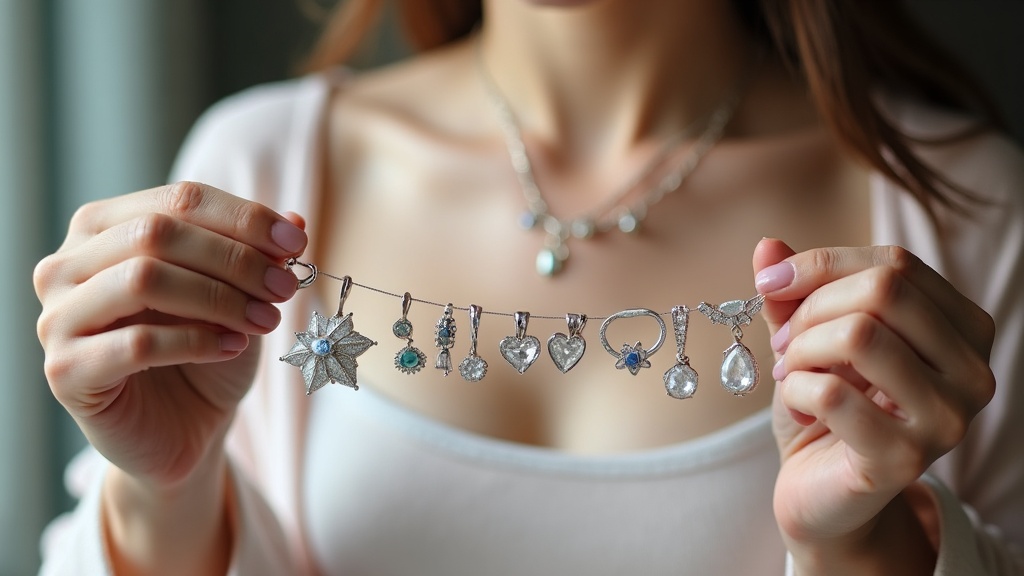
jewelrycurrent guide: 2026 Trends & Buying Tips
This jewelrycurrent guide covers 2026 market trends, sustainable metals, lab-grown diamonds, and expert tips to help you make smart, informed purchases today.
Table of Contents
- The Shift Toward Personalized and Meaningful Designs
- The Rise of Sustainable and Lab-Grown Diamonds
- Metal Trends: Mixed Tones and Timeless Minimalism
- Navigating the Modern Retail and E-Commerce Landscape
- What People Are Asking
- Comparing Purchasing Approaches
- Practical Tips for Buyers
Article Snapshot
This jewelrycurrent guide is a comprehensive resource detailing the latest market trends, consumer preferences, and purchasing strategies for fine accessories in 2026. Shoppers increasingly prioritize personalized designs, sustainable materials, and transparent retail practices when selecting luxury items that reflect their individual identity and values.
Market Snapshot
- Global jewelry market revenue is projected to grow from about 320 billion U.S. dollars in 2024 to approximately 443 billion U.S. dollars by 2030 (Statista, 2024)[1].
- The global online jewelry market is expected to reach around 117 billion U.S. dollars by 2027, up from about 80 billion U.S. dollars in 2024 (Statista, 2024)[2].
- Lab-grown diamonds represented about 20 percent of the global diamond jewelry market by value in 2024 (Bain & Company, 2024)[3].
- In a 2024 survey of U.S. jewelry consumers, about 46 percent said they are more likely to buy from brands that can demonstrate responsible sourcing of materials (McKinsey & Company, 2024)[4].
Introduction
Finding the perfect piece of fine jewelry requires more than just an eye for aesthetics; it demands an understanding of shifting market dynamics and material innovations. This jewelrycurrent guide provides a detailed overview of the forces shaping the luxury accessories sector in 2026. From the surging popularity of custom engravings to the rapid expansion of lab-grown diamonds, consumer preferences are evolving rapidly. Shoppers are moving away from mass-produced items, seeking instead unique pieces that offer emotional resonance and long-term value. Whether you are investing in precious metals or exploring sustainable sourcing options, understanding these trends is essential. In the following sections, we will explore the defining styles of the year, analyze the impact of e-commerce on retail market sales, and provide actionable advice to help you navigate the modern buying landscape with confidence.
The Shift Toward Personalized and Meaningful Designs
Personalization has become the defining characteristic of modern luxury accessories, transforming standard items into deeply meaningful keepsakes. Consumers are no longer satisfied with generic, mass-produced fashion jewelry; they want pieces that tell an individual story. This shift is evident in the rising demand for custom engravings, birthstone pieces, and name necklaces. According to industry data, personalized jewelry accounted for about 35 percent of online fashion jewelry orders in 2024 (Shopify, 2024)[5].
This desire for emotional resonance is driving both design and purchasing decisions. As Kathryn Money, Senior Vice President of Merchandising and Retail Expansion at Brilliant Earth, explains, “In 2026, the most luxurious jewelry tells an individual story – personalized designs like name necklaces, custom engravings, and birthstone pieces are transforming beautiful objects into meaningful keepsakes” (Brilliant Earth, 2026)[6].
This trend aligns with a broader consumer movement toward items that reflect personal identity and values. Buyers are actively seeking out artisans and brands that offer bespoke services, allowing them to dictate the exact specifications of their luxury accessories. This focus on individuality means that the jewelrycurrent guide for buyers must emphasize the importance of finding retailers who offer robust customization options. Whether it is a subtle initial pendant or a fully bespoke engagement ring, the ability to infuse personal meaning into precious metals and gemstone quality is now a baseline expectation for modern shoppers.
The Rise of Sustainable and Lab-Grown Diamonds
Environmental consciousness and ethical considerations are fundamentally reshaping the diamond and precious metals industry. The rapid adoption of lab-grown diamonds is the most visible indicator of this shift, offering consumers a sustainable alternative to mined stones without compromising on physical or chemical properties. By 2024, lab-grown diamonds represented about 20 percent of the global diamond jewelry market by value (Bain & Company, 2024)[3]. Furthermore, roughly 80 percent of lab-grown diamond production by volume in 2023–2024 came from China and India combined (Bain & Company, 2024)[3].
This surge in popularity is heavily driven by younger demographics. Around 70 percent of Gen Z and millennial jewelry buyers in a 2024 global survey stated that sustainability influences their purchase decisions (McKinsey & Company, 2024)[4]. Independent jewelers are responding to this demand, with 58 percent planning to increase their assortment of lab-grown diamonds over a 12-month period (Jewelers of America, 2024)[7].
Beyond diamonds, responsible sourcing of gold and silver is also under scrutiny. Shoppers want transparency regarding the origin of their materials. A comprehensive jewelrycurrent guide for buyers must therefore highlight brands that provide verifiable supply chain data. Platforms like the jewelrycurrent guide often feature collections that prioritize these ethical standards, ensuring that buyers can align their purchases with their environmental values. For independent verification of gemstone quality and ethical standards, consult the educational resources provided by the Gemological Institute of America.
Metal Trends: Mixed Tones and Timeless Minimalism
The aesthetic preferences of modern consumers are balancing bold experimentation with enduring elegance, particularly regarding metal choices and overall design silhouettes. While yellow gold remains a dominant force in the market, the strict adherence to a single metal tone is fading. Instead, mixed metals are making significant waves in contemporary styling. Hanneke, a jewelry stylist and content creator, notes that “rather than sticking to a single tone, we’re seeing gold and silver worn together, with a touch of rose gold layered in for contrast” (Jewelry Trends 2026 YouTube guide, 2026)[8].
This layering approach allows for greater versatility and personal expression, enabling wearers to mix vintage heirlooms with modern investment designs. Alongside this trend toward mixed tones, there is a strong counter-movement favoring minimalist jewelry. Taylor Peterson, Fine Jewelry Trend Specialist at Blue Nile, observes that “minimalist, timeless jewelry with longevity potential will continue to rise in popularity – we’ve moved away from loud logo pieces and embraced subtle investment designs in high-quality metals and diamonds” (Blue Nile, 2026)[9].
These dual trends highlight a sophisticated consumer base that values both visual interest and long-term wearability. When consulting a jewelrycurrent guide, buyers are encouraged to look for pieces that can seamlessly transition between casual and formal settings. Subtle, high-quality metalwork ensures that the items remain relevant regardless of fleeting seasonal fads, making them smarter financial and stylistic investments for the long term.
Navigating the Modern Retail and E-Commerce Landscape
The way consumers purchase fine accessories has undergone a massive transformation, driven by digital innovation and changing expectations of retail service. E-commerce accounted for an estimated 30 percent of U.S. jewelry and watch sales in 2024, a significant increase from about 22 percent in 2020 (U.S. Department of Commerce / Census Bureau, 2025)[10]. The U.S. jewelry and watch retail market generated approximately 99.9 billion U.S. dollars in sales in 2024 (U.S. Census Bureau, 2025)[11].
Despite the convenience of online shopping, the importance of a trusted retail partner remains paramount. Reputable jewelers prioritize education over pressure, offering transparent pricing, verifiable certifications, and reliable in-house services like cleaning and repairs (Koser Jewelers, 2025)[12].
This highlights the hybrid approach many successful retailers now employ, blending seamless digital storefronts with robust physical customer service. For those researching the market, reading a detailed jewelry buying guide can help identify which brands offer the best balance of online convenience and offline support. Whether browsing curated selections on specialized platforms or visiting a local boutique, consumers expect high-resolution imagery, detailed certification documents, and flexible return policies. Understanding these retail dynamics ensures that buyers can secure the best value and service, regardless of the channel they choose to make their purchase.
What People Are Asking
What is the most popular metal for fine jewelry in 2026?
Yellow gold continues to be highly popular, but mixed metals are currently dominating styling trends. Many consumers are layering yellow gold with silver and rose gold to create a customized, versatile look. This approach allows for greater personal expression and makes it easier to integrate new pieces with existing vintage or heirloom collections.
Are lab-grown diamonds a good investment compared to mined diamonds?
Lab-grown diamonds offer identical physical and chemical properties to mined diamonds but typically come at a lower price point. While they may not hold the same traditional resale value as rare natural stones, they are an excellent choice for buyers prioritizing sustainability, ethical sourcing, and getting a larger or higher-quality stone for their budget.
How can I verify if a brand uses responsible sourcing?
Look for brands that provide transparent supply chain information and third-party certifications, such as the Kimberley Process for diamonds or Fairmined for gold. Reputable retailers will openly share their sourcing policies on their websites and should be able to answer specific questions about the origin of their precious metals and gemstones.
What should I look for when buying personalized jewelry online?
When purchasing custom engravings or personalized designs online, ensure the retailer offers detailed previews or mock-ups before production. Check their return policy regarding customized items, read customer reviews specifically mentioning the quality of the engraving, and verify that they use high-quality, durable metals that will withstand daily wear.
Comparing Purchasing Approaches
Choosing the right retail channel is just as important as selecting the piece itself, as each purchasing method offers distinct advantages regarding price, service, and selection. Understanding these differences helps buyers align their shopping experience with their specific needs and priorities.
| Approach | Advantages | Disadvantages |
|---|---|---|
| Independent Jeweler | Personalized service, in-house repairs, unique bespoke designs. | Higher price points, limited immediate inventory. |
| E-Commerce Retailer | Vast selection, competitive pricing, convenient home shopping. | Inability to inspect items physically before purchase. |
| Direct-to-Consumer Brand | Transparent pricing, modern minimalist designs, strong ethical focus. | Limited physical retail presence for try-ons. |
Practical Tips for Buyers
To make the most of your next purchase, apply these practical strategies when evaluating potential items and retailers. First, always request independent grading reports for any diamond or precious gemstone, ensuring the quality matches the retailer’s claims. Second, consider the long-term maintenance of your piece; inquire about complimentary cleaning, prong tightening, and resizing services before finalizing your transaction.
When exploring fashion accessories and apparel pairings, understanding how different metals complement your wardrobe is essential. You can find more advice on coordinating your look by reading our comprehensive style pairing strategies. Additionally, if you are investing in high-value items, proper storage is critical to prevent scratching and tarnishing. Keep pieces separated in soft-lined compartments and avoid exposing them to harsh chemicals or excessive moisture.
Finally, take advantage of digital tools. Many online platforms now offer virtual try-on features and augmented reality sizing guides. Utilizing these technologies can significantly reduce the uncertainty of buying fine accessories online, ensuring a perfect fit and aesthetic match before your order ships. For more insights on building a versatile wardrobe, check out our essential accessories overview.
For more about Jewelrycurrent guide, see get expert advice on jewelrycurrent guide.
Key Takeaways
The landscape of fine accessories is evolving rapidly, driven by a demand for personalization, sustainable materials, and transparent retail practices. By utilizing this jewelrycurrent guide, shoppers can navigate the complexities of modern market trends and make informed decisions that align with their personal values and aesthetic preferences. Whether you are drawn to the brilliance of lab-grown diamonds or the timeless appeal of mixed metals, prioritizing quality and ethical sourcing ensures your collection remains meaningful for years to come. To continue refining your personal style and discover more expert advice, explore our detailed fashion and accessory resources.
Further Reading
- Value of the global jewelry market. Statista.
https://www.statista.com/statistics/1199943/value-of-the-global-jewelry-market/ - Online jewelry market size worldwide. Statista.
https://www.statista.com/statistics/1225884/online-jewelry-market-size-worldwide/ - Global diamond industry report 2024. Bain & Company.
https://www.bain.com/insights/global-diamond-industry-report-2024/ - How jewelry consumers are redefining luxury. McKinsey & Company.
https://www.mckinsey.com/industries/retail/our-insights/how-jewelry-consumers-are-redefining-luxury - Jewelry trends. Shopify.
https://www.shopify.com/blog/jewelry-trends - Jewelry Trends 2026 | Top 7 Jewelry Trends. Brilliant Earth.
https://www.brilliantearth.com/jewelry/buying-guide/trends/ - Annual industry confidence survey 2024. Jewelers of America.
https://www.jewelers.org/ja/newsroom/press-releases/1260-annual-industry-confidence-survey-2024 - Jewelry Trends 2026 – What’s In & What’s Out. YouTube.
https://www.youtube.com/watch?v=MK3nO6YhFtA - Top Jewelry Trends for 2026 to Update Your Collection. Blue Nile.
https://www.bluenile.com/blog/fashion/jewelry-trends - Industry trends. Jewelers of America.
https://www.jewelers.org/ja/research-trends/industry-trends - Retail index. U.S. Census Bureau.
https://www.census.gov/retail/index.html - The Complete Jewelry Buying Guide for First-Time Buyers. Koser Jewelers.
https://www.koserjewelers.com/blogs/jewelry/the-complete-jewelry-buying-guide-for-first-time-buyers