
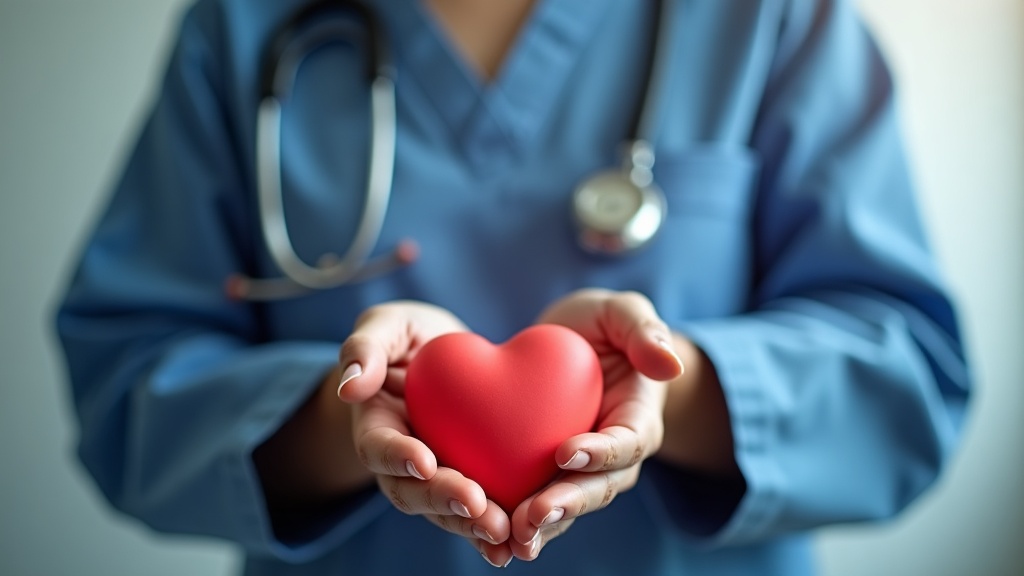
CPR Training: Essential Skills for Emergency Response
Learn the critical role of CPR training in saving lives during cardiac emergencies, including key statistics and practical steps to get certified.
Table of Contents
- What Is CPR Training?
- Why CPR Training Matters
- How to Get CPR Trained
- Overcoming Training Barriers
- Frequently Asked Questions
- Comparison of CPR Training Approaches
- Practical Tips for CPR Success
- Final Thoughts on CPR Training
- Sources & Citations
CPR training is a structured educational program that teaches individuals how to perform cardiopulmonary resuscitation on someone experiencing cardiac arrest. The training covers chest compressions, rescue breaths, and automated external defibrillator (AED) use, empowering bystanders to act immediately during emergencies and significantly improving survival outcomes.
- Each year, emergency medical services in the United States care for more than 250,000 individuals experiencing a non-traumatic out-of-hospital cardiac arrest (American Red Cross, 2025)[1].
- Approximately 90% of people who experience an out-of-hospital cardiac arrest in the United States die (American Red Cross, 2025)[1].
- Only 18% of U.S. adults are up to date on their CPR training, despite 65% having received training at some point (Harvard Health Publishing, 2024)[2].
Every year, thousands of lives are lost to sudden cardiac arrest, often because no one nearby knew how to respond. CPR training bridges this gap by equipping ordinary people with the skills to act decisively in a crisis. Whether you are a healthcare professional, a teacher, a parent, or simply a concerned citizen, learning CPR is one of the most impactful steps you can take to protect your community. This article explores what CPR training involves, why it is so critical, how to obtain it, and how modern approaches, including AI-driven CPR training simulators, are making it more accessible than ever.
What Is CPR Training?
CPR training is a formal educational program that instructs participants in the techniques of cardiopulmonary resuscitation. The core curriculum typically covers chest compressions at the correct depth and rate, rescue breaths to provide oxygen to the lungs, and the use of an automated external defibrillator (AED) to restore a normal heart rhythm. Most courses also teach the Chain of Survival, a sequence of steps that maximize a cardiac arrest victim’s chances of survival.
Training programs are offered by recognized organizations such as the American Heart Association and the American Red Cross, and they are designed for both laypeople and healthcare providers. Courses range from brief, hands-on sessions lasting a few hours to comprehensive certifications that require re-certification every two years. Online and blended learning options are increasingly common, allowing participants to complete the cognitive portion at home and practice skills in person.
A key component of modern CPR training is the emphasis on hands-only CPR for untrained bystanders. This simplified approach focuses solely on chest compressions at a rate of 100 to 120 per minute, eliminating the need for rescue breaths and making it easier for people to act. The American Red Cross reports that about 8,000 people receive Red Cross first aid, CPR and AED training every day, demonstrating the sustained demand for these courses (American Red Cross, 2025)[1].
Why CPR Training Matters
The importance of CPR training is underscored by stark survival statistics. In the United States, approximately 90% of people who experience an out-of-hospital cardiac arrest die, often because bystanders do not intervene quickly enough (American Red Cross, 2025)[1]. However, immediate CPR can dramatically change this outcome. As Michael Sayre, MD, Chair of the American Heart Association Emergency Cardiovascular Care Committee, states, “CPR, especially if performed immediately, can double or triple a cardiac arrest victim’s chance of survival” (CPR Facts and Stats, 2023)[3].
Despite this potential, bystander CPR rates remain suboptimal. In 2025, only 42.5% of out-of-hospital cardiac arrest patients in the United States received bystander CPR, the highest rate since 2016 (American Red Cross, 2025)[1]. This means more than half of victims still do not get help before emergency services arrive. Survival chances decrease by about 10% for every minute that CPR and defibrillation are delayed, making the immediate action of a trained bystander crucial (American Red Cross, 2025)[1].
The gap between training and readiness is significant. Aaron Goralnick, MD, an emergency physician at Brigham and Women’s Hospital, notes, “Although 65% of people in the United States say they’ve received CPR training at some point in their lives, only 18% of people are up to date on their training” (Harvard Health Publishing, 2024)[2]. This highlights the need for more accessible and frequent refresher training. Programs like CDL permit training demonstrate how structured, mandatory training can improve skill retention, a principle that could be applied to CPR education.
How to Get CPR Trained
Getting CPR trained is more convenient than ever, thanks to a variety of course formats and providers. The most common paths include in-person classes, online-only courses, and blended learning that combines online theory with hands-on practice. Certification from a reputable organization like the American Heart Association or American Red Cross is widely recognized and often required for certain jobs, such as healthcare, teaching, and lifeguarding.
In-person classes provide direct feedback from a certified instructor and hands-on practice with mannequins and AED trainers. These courses typically last two to four hours and cover adult, child, and infant CPR. Many community centers, hospitals, and fire stations offer low-cost or free classes to encourage widespread training. The American Red Cross alone trains thousands every day (American Red Cross, 2025)[1].
Online and blended options have grown in popularity, especially for those with busy schedules. Blended learning allows participants to complete the cognitive portion online and then attend a shorter in-person skills session. Emerging technologies, including virtual reality and AI-powered platforms, are also revolutionizing how people learn CPR. These tools offer realistic simulations that can adapt to the user’s performance, providing personalized feedback and helping to build muscle memory. For those looking to enhance their emergency response skills further, programs like Class C CDL training show how specialized training can be integrated into broader safety protocols.
Overcoming Training Barriers
Despite widespread interest, many people never complete CPR training due to common barriers such as cost, time, and lack of awareness. An Athenahealth study found that “only 20% of respondents reported needing CPR training for their job, but 84% expressed a desire to be trained if their employer both provided and paid for it” (Athenahealth, 2024)[4]. This indicates a strong willingness to learn, but a gap in access and motivation.
Workplace training programs are one solution. Employers in industries like construction, education, and hospitality can host on-site CPR classes, making it convenient for employees to get certified. Some companies even offer incentives for certification, such as paid time off or bonuses. Public health campaigns and community events, such as World Restart a Heart Day, also help raise awareness and provide free training.
Another barrier is the fear of legal liability or of doing harm. Good Samaritan laws in all 50 states protect bystanders who act in good faith during an emergency. Training programs emphasize that any attempt at CPR is better than no attempt, especially given the low survival rates without intervention. By addressing these fears and making training more accessible, communities can significantly increase the number of trained responders. For a deeper look at how structured training programs build competence, the American Heart Association’s CPR resources offer comprehensive data and guidance.
Important Questions About CPR Training
How often should I renew my CPR certification?
Most CPR certifications are valid for two years, after which you must take a re-certification course to stay current. However, skills can fade quickly, so many experts recommend practicing with a mannequin or taking a refresher course annually. The American Heart Association and American Red Cross both offer re-certification courses that are shorter than the initial training. Staying up to date is crucial because techniques and guidelines can change; for example, the emphasis on hands-only CPR for adults is a relatively recent update.
Can I learn CPR online without a hands-on session?
Yes, you can learn the cognitive aspects of CPR online, but most certifying bodies require a hands-on skills assessment to issue a full certification. Blended learning courses allow you to complete the theory online and then attend a short in-person session to practice and demonstrate your skills. Some online-only courses provide a certificate of completion, but these may not be accepted by employers or healthcare facilities. For personal knowledge, online videos and tutorials can be very helpful for learning the basics.
Is CPR training different for children and infants?
Yes, CPR techniques vary by age. For adults, the focus is on hard and fast chest compressions at a depth of about two inches. For children (ages 1 to puberty), compressions should be about two inches deep, and for infants (under 1 year), they should be about 1.5 inches deep. Rescue breaths are also more critical for children and infants, as cardiac arrest in these age groups is often caused by respiratory issues. Most comprehensive CPR training courses cover all three age groups to prepare you for any emergency.
What is the cost of CPR training?
The cost of CPR training varies widely depending on the provider and course type. Community-based classes through local fire departments or non-profits can be as low as $20 to $40. Full certification courses from the American Red Cross or American Heart Association typically range from $50 to $100 for a basic course. Blended learning options are often priced similarly. Many employers cover the cost for their staff, and some health insurance plans offer reimbursements for wellness activities, including CPR training.
Comparison of CPR Training Approaches
Choosing the right CPR training method depends on your learning style, schedule, and certification needs. The table below compares the most common approaches.
| Approach | Format | Certification | Best For |
|---|---|---|---|
| In-Person Class | 2-4 hour hands-on session with instructor | Full certification (2 years) | Hands-on learners and those needing employer-accepted credentials |
| Blended Learning | Online theory + short in-person skills test | Full certification (2 years) | Busy individuals who prefer self-paced study |
| Online-Only | Video-based tutorial with quiz | Certificate of completion (not always accepted) | Personal knowledge and awareness |
Practical Tips for CPR Success
To make the most of your CPR training and ensure you are ready to act in an emergency, consider these actionable tips:
- Practice regularly: Skills can fade within months. Use a CPR mannequin or a pillow to practice chest compressions at the correct rate (100-120 per minute). Many mobile apps provide a metronome to help you keep the right rhythm.
- Know the signs of cardiac arrest: Sudden collapse, no breathing, and no pulse are the key indicators. If someone is unresponsive and not breathing normally, call 911 and start CPR immediately.
- Don’t be afraid to use an AED: Automated external defibrillators are designed for public use and provide voice prompts. Using an AED within the first few minutes of cardiac arrest can dramatically increase survival rates.
For more about Openai training, see get expert advice on openai training.
Final Thoughts on CPR Training
CPR training is a simple, accessible skill that can mean the difference between life and death for a cardiac arrest victim. By learning CPR, you join a network of everyday heroes who are prepared to act when seconds count. The statistics are clear: immediate bystander CPR can double or triple survival chances, yet too few people are trained or confident enough to act. Whether you choose an in-person class, a blended learning course, or an online tutorial, the most important step is to start. Explore the latest training options and take the first step toward becoming a lifesaver by visiting our comprehensive resource page on emergency preparedness.
Sources & Citations
- CPR Facts & Statistics. American Red Cross.
https://www.redcross.org/take-a-class/resources/articles/cpr-facts-and-statistics - Why don’t more people know CPR? Harvard Health Publishing.
https://www.health.harvard.edu/heart-health/why-dont-more-people-know-cpr - CPR Facts and Stats. American Heart Association.
https://cpr.heart.org/en/resources/cpr-facts-and-stats - Despite Widespread Interest in CPR Certification, Most Americans Lack Awareness on Education and Training, New Research Shows. Athenahealth.
https://www.athenahealth.com/press-releases/despite-widespread-interest-in-cpr-certification-most-americans-lack-awareness-on-education-and-training-new-research-shows