
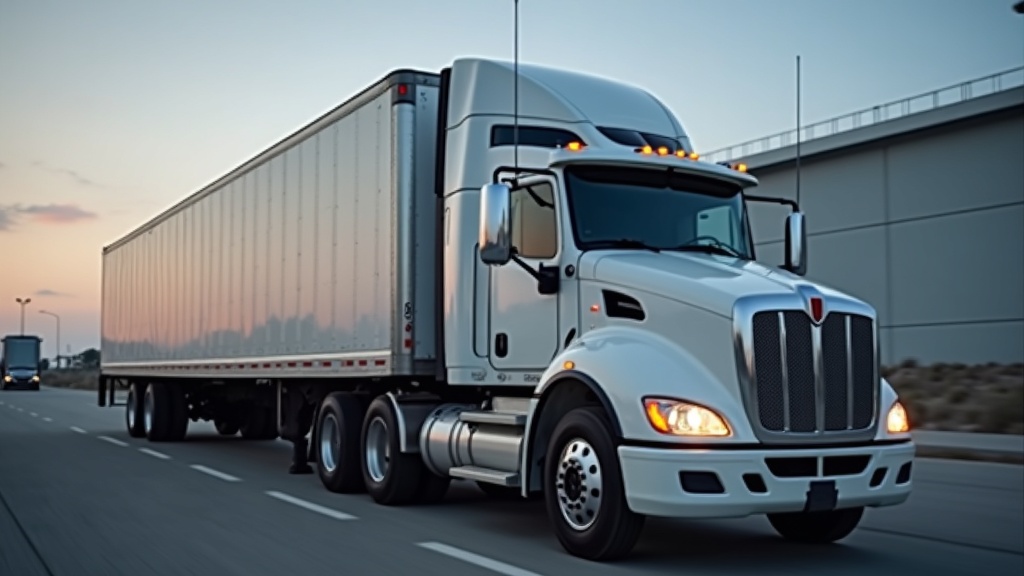
Best CDL Training Near Me for Fleet Owners
Finding the best CDL training near me is vital for new fleet owners. Discover how to choose local truck driving schools, retain drivers, and build a brand.
Table of Contents
- Evaluating Local Truck Driving Schools
- The Business Mindset for Fleet Owners
- Federal Regulations and Safety Outcomes
- Industry Trends and Driver Recruitment
- Your Most Common Questions
- Comparing Educational Pathways
- Practical Tips for Fleet Success
Article Snapshot
The search for the best CDL training near me refers to finding local commercial driver programs that meet federal safety standards. For fleet owners, selecting these regional CDL academies ensures new hires master behind-the-wheel skills, logbook management, and safety protocols before hitting the road in your branded company apparel.
Best CDL Training Near Me in Context
- Projected annual shortage of 160,000 drivers in the United States by 2031, increasing demand for training programs (American Trucking Associations, 2024)[1].
- 9,600 training providers registered in the FMCSA Training Provider Registry as of early 2025 (Federal Motor Carrier Safety Administration, 2025)[2].
- Median annual wage of $53,690 for heavy and tractor-trailer truck drivers in May 2023 (U.S. Bureau of Labor Statistics, 2024)[3].
Introduction
Searches for the best CDL training near me are a critical first step for entrepreneurs launching a trucking business or fleet managers expanding their operations. The trucking industry moves 72.4 percent of domestic freight tonnage (American Trucking Associations, 2024)[4], making commercial motor vehicle operators the backbone of the supply chain. When you start a fleet, you need skilled drivers who can safely operate heavy tractor-trailers. Equally important is establishing a strong company culture from day one, which often includes outfitting your team in custom-designed t-shirts and uniforms that promote brand pride. This article explores how to evaluate local truck driving schools, understand federal entry-level driver training requirements, and integrate modern operational strategies to build a successful, safety-focused transport company.
Finding the Best CDL Training Near Me
Selecting the right nearby commercial driver programs requires a careful review of federal and state compliance standards. The Federal Motor Carrier Safety Administration (FMCSA) mandates specific entry-level driver training to ensure safety on the roads. As the National Association of Publicly Funded Truck Driving Schools notes, “Students considering CDL training should look for programs that meet FMCSA’s ELDT standards, offer sufficient behind-the-wheel hours, and have established relationships with reputable carriers” (National Association of Publicly Funded Truck Driving Schools, 2025)[5].
When researching options, fleet owners should verify that the school is listed in the official Training Provider Registry. Currently, there are 9,600 training providers registered nationwide (Federal Motor Carrier Safety Administration, 2025)[2]. A high-quality program will not only prepare students for the skills test but also emphasize real-world driving situations. For instance, some state-sponsored programs require up to 160 hours of training to improve safety outcomes (Jackson College Truck Driver Training, 2024)[6].
Beyond the curriculum, consider the school’s job placement support and carrier relationships. If you are hiring directly out of school, partnering with a local academy allows you to influence the training process. You can even provide custom-branded apparel to students during their final weeks, helping them transition smoothly into your company culture. Building this early connection fosters loyalty and ensures your new drivers understand your specific operational expectations before they ever start their engines.
The Business Mindset for Fleet Owners
Running a profitable freight transport company requires more than just finding qualified commercial drivers; it demands strong leadership and strategic planning. Many new fleet owners underestimate the administrative and psychological challenges of managing a logistics business. Engaging in business success mindset training can help leaders navigate the complexities of regulatory compliance, fluctuating fuel costs, and driver retention. Similarly, entrepreneur mindset training equips founders with the resilience needed to scale their operations in a highly competitive market.
Driver retention is a major hurdle, with 68 percent of for-hire carriers raising driver pay in the previous 12 months to attract talent (American Trucking Associations, 2024)[7]. However, compensation is only one piece of the puzzle. Creating a cohesive team identity is equally vital. Providing high-quality, custom-designed t-shirts and professional uniforms makes drivers feel valued and part of a unified brand. When drivers wear apparel that reflects a professional, well-organized company, their pride in their work increases.
Furthermore, modern fleet management relies heavily on continuous education. Just as drivers need ongoing safety refreshers, office staff and dispatchers benefit from technological upskilling. Implementing AI training for employees can streamline route optimization, predictive maintenance, and administrative workflows, allowing the business to operate more efficiently. By combining a strong leadership mindset with smart technological investments and a strong visual brand identity, fleet owners can create a sustainable and highly profitable trucking enterprise.
Federal Regulations and Safety Outcomes
Adhering to federal regulations is the foundation of any legitimate trucking career and fleet operation. The FMCSA oversees commercial motor vehicle safety and enforces strict guidelines for new drivers. According to the agency, “High-quality entry-level driver training is critical to ensuring that new commercial drivers are prepared to safely operate CMVs on our nation’s roads” (Federal Motor Carrier Safety Administration, 2024)[8]. Fleet owners must ensure that every hire has completed the mandated curriculum, which covers both theoretical knowledge and practical driving skills.
Safety outcomes are directly tied to the rigor of the initial education. The Jackson College Truck Driver Training Program emphasizes that “Quality CDL training not only prepares you to pass the skills test, but also emphasizes safety, logbook management, and real-world driving situations you will face immediately on the job” (Jackson College Truck Driver Training Program, 2025)[6]. Logbook management, in particular, is a critical skill that prevents costly compliance violations and ensures drivers are not operating while fatigued.
To maintain these high standards, fleet managers should regularly review the official entry-level driver training guidelines published by the Department of Transportation. Staying updated on regulatory changes protects the company from liability and keeps insurance premiums manageable. Additionally, reinforcing safety protocols through regular team meetings helps maintain a culture of accountability and continuous improvement across the entire organization.
Industry Trends and Driver Recruitment
The logistics sector is currently facing significant demographic shifts that impact how companies recruit and retain talent. The American Trucking Associations projects an annual shortage of 160,000 drivers by 2031 under current trends (American Trucking Associations, 2024)[1]. This growing deficit means that finding the top CDL courses nearby for your recruits is only the first step; you must also create an attractive work environment to keep them.
As the American Trucking Associations points out, “As fleets compete for talent, comprehensive CDL training programs and clear career pathways are becoming a decisive factor in attracting and retaining new drivers” (American Trucking Associations, 2024)[9]. To stand out, forward-thinking fleets are offering mentorship programs, modern equipment, and strong company culture initiatives. A simple but effective cultural tool is providing premium custom t-shirts and outerwear that drivers actually want to wear both on and off the job.
Moreover, the median annual wage for heavy and tractor-trailer truck drivers reached $53,690 in May 2023 (U.S. Bureau of Labor Statistics, 2024)[3], proving that the profession offers solid earning potential. Fleet owners can leverage this earning potential in their recruitment marketing, pairing competitive pay with a strong brand image. When prospective drivers see a cohesive, professional fleet with well-dressed staff and clear advancement opportunities, they are much more likely to commit to a long-term career with your company rather than jumping to a competitor.
Your Most Common Questions
How long does it take to complete a commercial driver program?
The duration varies based on the specific regional CDL academies and state requirements. While the FMCSA sets minimum theoretical and behind-the-wheel hours, many comprehensive programs take between three to eight weeks of full-time study. Some community colleges offer extended courses that include up to 160 hours of practical driving to ensure better safety outcomes. Part-time options may take longer, allowing students to balance their education with other responsibilities while preparing for their skills test.
What should fleet owners look for in a training partner?
Fleet owners should prioritize schools registered in the FMCSA Training Provider Registry that boast strong job placement rates and experienced driving instructors. It is also beneficial to choose partners that align with your company’s safety culture and operational standards. Establishing a direct pipeline with these schools allows you to provide input on the curriculum and even supply custom-branded apparel to students nearing graduation, fostering early loyalty and a seamless transition into your fleet.
Is company-sponsored education a good alternative to private schools?
Company-sponsored programs can be highly effective, as they tailor the curriculum to the specific equipment and routes your fleet operates. These programs often cover tuition costs in exchange for a contractual commitment from the new hire. However, they require significant upfront investment and administrative oversight from the carrier. Private or public local truck driving schools offer more flexibility for independent drivers and allow fleet owners to evaluate a wider pool of already-certified candidates before making a hiring decision.
How does company culture impact driver retention?
Company culture plays a massive role in keeping commercial drivers engaged and reducing turnover. Beyond competitive pay, drivers want to feel respected and part of a professional team. Providing high-quality custom t-shirts, comfortable uniforms, and modern equipment shows that the company values their daily efforts. Pairing this visual identity with strong leadership, clear communication, and ongoing technological support creates an environment where drivers feel proud to represent the brand, significantly boosting long-term retention rates.
Comparing Educational Pathways
Choosing the right educational pathway depends on your budget, timeline, and career goals. When searching for the best CDL training near me, consider how each method offers distinct advantages for aspiring commercial drivers and fleet managers looking to source talent.
| Approach | Duration | Cost Structure | Best For |
|---|---|---|---|
| Private Truck Driving Schools | 3-6 Weeks | Out-of-Pocket or Loans | Fast-track entry into the industry |
| Community College Programs | 1-2 Semesters | Financial Aid Eligible | Comprehensive education and safety focus |
| Company-Sponsored Training | 3-5 Weeks | Tuition Covered (Contract) | Direct fleet hiring and specific equipment |
Practical Tips for Fleet Success
Building a successful trucking operation requires a blend of strategic hiring, strong branding, and continuous improvement. Here are several actionable strategies to help your fleet thrive in a competitive market:
- Invest in Quality Apparel: Outfit your drivers in durable, custom-designed t-shirts and weather-appropriate gear. Professional uniforms boost driver morale and present a unified brand image to clients at every delivery stop.
- Leverage Technology: Adopt fleet management software and provide AI training for employees to optimize routing, monitor fuel efficiency, and predict maintenance needs before breakdowns occur.
- Prioritize Mentorship: Pair new graduates from the closest truck driver education programs with veteran drivers. A structured mentorship program reduces first-year turnover and accelerates the development of safe driving habits.
- Host Regular Safety Stand-downs: Use monthly meetings to review logbook management, discuss near-miss incidents, and reinforce federal compliance. Reward drivers who maintain spotless safety records with bonuses or premium branded merchandise.
For more about Golf courses near me, see find golf courses near me resources.
The Bottom Line
Securing the best CDL training near me is a foundational step for any new fleet owner or aspiring truck driver. By selecting reputable regional CDL academies, prioritizing safety, and fostering a strong company culture through professional custom apparel, you can build a resilient and profitable transport business. Remember that driver retention and operational efficiency go hand in hand. To further develop your leadership skills and build a thriving company culture, explore our resources on custom workwear design strategies and start shaping your fleet’s future today.
Sources & Citations
- ATA Driver Shortage Update 2024. American Trucking Associations.
https://www.trucking.org/sites/default/files/2024-10/ATA-Driver-Shortage-Update-2024.pdf - FMCSA Training Provider Registry. Federal Motor Carrier Safety Administration.
https://tpr.fmcsa.dot.gov/Home/Enrollments - Occupational Employment and Wage Statistics. U.S. Bureau of Labor Statistics.
https://www.bls.gov/oes/current/oes533032.htm - Economics and Industry Data. American Trucking Associations.
https://www.trucking.org/economics-and-industry-data - Choosing a Quality CDL Training Program. National Association of Publicly Funded Truck Driving Schools.
https://www.napftds.org/resources - Truck Driver Training Program Overview. Jackson College.
https://www.jccmi.edu/explore-programs/degrees-certificates/truck-driver-training/ - ATA Driver Compensation Study 2024. American Trucking Associations.
https://www.trucking.org/news-insights/ata-driver-compensation-study-2024 - FMCSA Entry-Level Driver Training Overview. Federal Motor Carrier Safety Administration.
https://www.fmcsa.dot.gov/registration/commercial-drivers-license/entry-level-driver-training-eldt - ATA Comment on Driver Recruitment and Training Trends. American Trucking Associations.
https://www.trucking.org/news-insights