
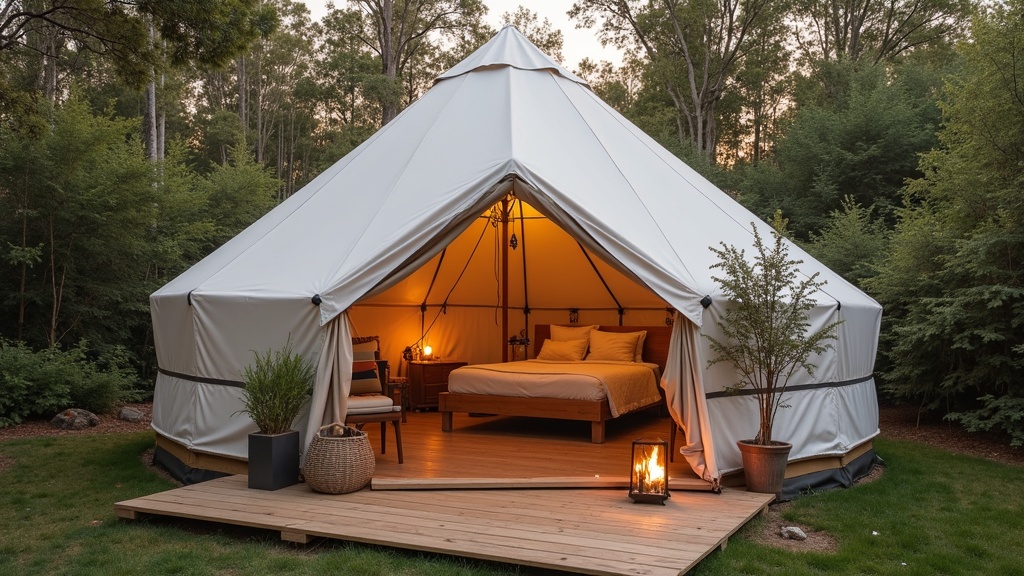
Yurt camping and glamping applications for modern outdoor hospitality
Discover how yurt camping and glamping applications are transforming outdoor hospitality with durable, eco-friendly structures that blend comfort with nature. This article covers design considerations, operational insights, and practical tips for launching a successful yurt-based glamping venture.
Table of Contents
- Quick Summary
- Market Snapshot: Yurt Glamping
- Introduction
- Design and Structural Considerations for Yurt Glamping
- Operational Best Practices for Yurt Camping Sites
- Enhancing Guest Experience with Luxury Amenities
- Navigating Regulations and Environmental Impact
- Frequently Asked Questions
- Yurt Glamping vs. Traditional Camping Accommodations
- Practical Tips for Launching a Yurt Glamping Business
- Final Thoughts on Yurt Camping and Glamping Applications
- Sources & Citations
Market Snapshot: Yurt Glamping
- Smaller glamping yurts for couples or solo travelers typically measure between 12 and 16 feet in diameter (SportsSurge Guides, 2024)[1].
- Mid-size yurts accommodating families or small groups commonly fall in the 18 to 24 foot diameter range (SportsSurge Guides, 2024)[1].
- Large commercial yurts used for events and multi-room units typically range from 27 to 30 feet in diameter (SportsSurge Guides, 2024)[1].
Introduction
Yurt camping and glamping applications represent a growing segment of the outdoor hospitality industry, offering travelers a unique blend of rustic charm and modern comfort. Unlike traditional tent camping, yurts provide durable, insulated structures that can be used year-round, making them an attractive option for both operators and guests. As eco-tourism gains momentum, yurts have become a favorite choice for glamping sites worldwide, from mountain retreats to coastal getaways. This article explores the design considerations, operational strategies, guest experience enhancements, and regulatory aspects of running a successful yurt glamping business. Whether you are a seasoned campground owner or a newcomer to the hospitality sector, understanding these elements will help you create a memorable and profitable outdoor accommodation offering.
Design and Structural Considerations for Yurt Glamping
The foundation of any successful glamping operation lies in the quality and suitability of its structures. Modern portable glamping yurt kits generally consist of five key structural components: base, lattice wall, door frame, rafters with center ring, and outer canvas cover (Correct Mongolia, 2025)[2]. These components work together to create a stable, weather-resistant shelter that retains the iconic circular shape of traditional yurts. When selecting a yurt for commercial use, size is a primary consideration. Smaller glamping yurts for couples or solo travelers typically measure between 12 and 16 feet in diameter (SportsSurge Guides, 2024)[1], while mid-size units for families range from 18 to 24 feet (SportsSurge Guides, 2024)[1]. Large event yurts can reach 27 to 30 feet in diameter (SportsSurge Guides, 2024)[1].
Climate adaptability is another critical factor. In snowy regions, yurt glamping structures are recommended to be engineered to handle at least 40 pounds per square foot of snow load for safe long-term use (SportsSurge Guides, 2024)[1]. Proper insulation, ventilation, and weatherproofing are essential to maintain comfort throughout the seasons. As Dmitry Tretiakov, Founder of Correct Mongolia Glamping & Yurt Manufacturer, notes: “Unlike a basic tent, a yurt offers durability, insulation, and year‑round usability, which is why it has become a core structure for modern glamping and eco‑tourism projects.”[2] Operators should also consider the aesthetic integration of the yurt with the surrounding landscape, as visual harmony enhances the guest experience.
When sourcing yurts, it is advisable to work with reputable manufacturers who offer customizable options. For those looking to explore high-quality yurt solutions, specialized yurt camping and glamping applications provide tailored designs that meet both functional and aesthetic requirements. Investing in durable materials and professional installation pays off in reduced maintenance costs and higher guest satisfaction over the long term.
Operational Best Practices for Yurt Camping Sites
Running a yurt glamping operation requires careful planning beyond the initial setup. Site selection is paramount: yurts should be placed on level, well-drained ground with easy access for guests and service vehicles. Many operators choose to install wooden platforms or gravel bases to elevate the structure and protect it from moisture. Utilities such as electricity, water, and waste management must be integrated discreetly to preserve the natural ambiance. For off-grid locations, solar power and composting toilets are popular sustainable options that align with the eco-friendly ethos of glamping.
Staffing and guest management also play a key role. Clear booking systems, check-in procedures, and emergency protocols should be established before opening. Providing guests with detailed information about the site, local attractions, and yurt usage instructions can prevent misunderstandings and enhance their stay. Regular inspections of the yurt structure, especially before and after extreme weather events, help ensure safety and longevity. The South Downs National Park Authority emphasizes that “camping and glamping can be an important part of the rural economy, providing opportunities for farm diversification and supporting tourism, but sites need to be carefully designed and appropriately located to protect landscape character and biodiversity.”[3]
Marketing your yurt glamping site effectively requires a strong online presence. Highlighting the unique experience of sleeping under a canvas dome while enjoying modern amenities appeals to adventure seekers and luxury travelers alike. Including testimonials, high-quality photos, and clear pricing on your website can drive bookings. Operators may also benefit from overcoming business limiting beliefs by embracing creative marketing strategies and investing in professional branding.
Enhancing Guest Experience with Luxury Amenities
The core appeal of glamping lies in its combination of outdoor immersion with indoor comfort. To truly differentiate your yurt camping site, focus on providing amenities that exceed guest expectations. Ali El Idrissi, an outdoor accommodation consultant at Pitch Camp Management, advises: “To give your guests the ultimate in luxury accommodation, ensure that you are providing them with the very best furniture possible; from four‑poster beds to a full dining table, giving guests the chance to experience all of the luxuries of a five‑star hotel in their yurt will ensure your campground stands out from the crowd.”[4]
Practical touches such as plush bedding, private outdoor seating areas, fire pits, and hot water for showers can transform a simple yurt into a sought-after retreat. Many successful glamping sites offer curated experiences like guided hikes, stargazing sessions, or farm-to-table dining. The yurt itself can serve as a blank canvas for personalization – adding local artwork, area maps, and welcome baskets creates a sense of place and hospitality. Kate Moreton, Founder of Inspired Camping, notes that “tent yurts have evolved from their traditional use as portable homes for nomadic tribes to become a popular choice for camping and glamping, offering a unique and eco‑friendly accommodation option for those who want to experience the outdoors comfortably.”[5]
Technology can also enhance the guest experience without detracting from the natural setting. Offer Wi-Fi in common areas, provide digital guides to local attractions, and use smart locks for contactless check-in. Balancing modern convenience with rustic charm is the hallmark of a well-run glamping operation. For those exploring innovative design ideas, overcoming limiting beliefs in business can open doors to unconventional but highly effective hospitality concepts.
Navigating Regulations and Environmental Impact
Compliance with local zoning laws, building codes, and environmental regulations is a crucial aspect of launching a yurt glamping business. Yurts may be classified as temporary structures or permanent dwellings depending on the jurisdiction, affecting permit requirements and tax implications. Operators should consult with local planning authorities early in the process to avoid costly delays. The South Downs National Park Authority advises that “sites need to be carefully designed and appropriately located to protect landscape character and biodiversity.”[3]
Environmental stewardship is not only a regulatory requirement but also a marketing advantage. Implementing sustainable practices such as rainwater harvesting, waste reduction, and native landscaping can reduce operational costs and attract eco-conscious guests. Choosing yurts made from renewable materials like wood and canvas further minimizes the environmental footprint. Many glamping operators also participate in local conservation efforts or donate a portion of proceeds to environmental causes, building goodwill within the community.
Insurance is another critical consideration. Liability coverage for guest injuries, property damage, and business interruption should be secured before opening. Some insurers specialize in outdoor accommodation and can offer tailored policies. Working with an experienced agent who understands the unique risks of glamping can save operators significant trouble down the line. For comprehensive guidance on setting up a compliant and sustainable yurt site, exploring professional resources on yurt camping and glamping applications can provide valuable insights.
Questions from Our Readers
What is the best size yurt for a family glamping setup?
For families or small groups, mid-size yurts ranging from 18 to 24 feet in diameter are recommended. This size provides enough space for sleeping areas, a small living space, and basic amenities without feeling cramped. If you plan to include multiple beds or a dining area, consider a 20-foot or larger yurt. Always check the manufacturer’s specifications for maximum occupancy and weight limits to ensure safety and comfort.
How do I insulate a yurt for winter glamping?
Insulating a yurt for winter use involves several strategies. First, choose a yurt with a double-layer canvas or add an interior insulation liner. Second, install a wood stove or propane heater with proper ventilation. Third, use thick rugs, insulated floor mats, and heavy curtains to retain heat. In snowy regions, ensure the yurt is engineered to handle at least 40 pounds per square foot of snow load. Sealing gaps around the door and windows also helps maintain warmth.
What permits are needed to start a yurt glamping business?
Permit requirements vary by location, but commonly include building permits, zoning approvals, health department permits for water and waste systems, and business licenses. Some areas classify yurts as temporary structures, while others treat them as permanent dwellings. It is essential to contact your local planning department early in the process. Additionally, consider liability insurance and fire safety inspections, especially if you plan to offer cooking facilities or fire pits.
How do I choose a reliable yurt manufacturer?
When selecting a yurt manufacturer, look for companies with a proven track record in commercial glamping. Check customer reviews, request references, and ask about the materials used – particularly the quality of the canvas, lattice wall, and rafters. A reputable manufacturer will provide detailed specifications, warranty information, and installation support. Visiting existing installations or requesting a sample kit can also help you assess build quality. Compare pricing, customization options, and delivery timelines before making a decision.
Yurt Glamping vs. Traditional Camping Accommodations
When considering outdoor accommodation options, it is helpful to compare yurts with other popular structures. The table below highlights key differences between yurts, tents, cabins, and RV sites across several dimensions relevant to glamping operators.
| Feature | Yurt | Traditional Tent | Log Cabin | RV Site |
|---|---|---|---|---|
| Year-round usability | High (insulated) | Low (seasonal) | High | Moderate |
| Setup complexity | Moderate | Low | High | Low (parking) |
| Guest capacity | 2–10 (size dependent) | 2–6 | 4–12 | 2–8 |
| Aesthetic appeal | Unique, cultural | Basic | Rustic | Utility |
| Environmental impact | Low (renewable materials) | Low | Moderate | Moderate |
| Cost per unit (approx.) | $5,000–$20,000 | $200–$2,000 | $30,000–$100,000+ | $20,000–$80,000 |
Practical Tips for Launching a Yurt Glamping Business
Starting a yurt glamping venture requires careful planning, but the rewards can be substantial. Here are actionable tips to set you on the right path:
- Conduct thorough market research: Identify your target audience – couples, families, corporate groups – and tailor your offerings accordingly. Visit existing glamping sites to understand what works and what gaps exist in your area.
- Invest in quality yurts and amenities: Choose durable, well-insulated yurts from reputable manufacturers. Equip them with comfortable beds, heating, lighting, and private bathroom facilities to justify premium pricing.
- Develop a strong brand and online presence: Create a professional website with high-quality photos, detailed descriptions, and an easy booking system. Use social media to showcase guest experiences and local attractions.
- Plan for sustainability from day one: Implement eco-friendly practices such as solar power, composting toilets, and recycling programs. Highlight these efforts in your marketing to attract environmentally conscious travelers.
- Build relationships with local businesses: Partner with tour operators, restaurants, and artisans to offer exclusive packages and experiences. This not only enhances guest satisfaction but also supports the local economy.
For more about Yurt camping and glamping applications, see see how yurt camping and glamping applications works.
Final Thoughts on Yurt Camping and Glamping Applications
Yurt camping and glamping applications offer a compelling opportunity for outdoor hospitality entrepreneurs seeking to combine cultural heritage with modern comfort. By focusing on quality structures, thoughtful amenities, and sustainable practices, operators can create memorable experiences that attract repeat guests and positive reviews. The versatility of yurts – from intimate couples’ retreats to large event spaces – makes them a smart investment for diverse markets. As the demand for unique, eco-friendly accommodation continues to grow, now is an ideal time to explore the potential of yurt glamping. For more inspiration and detailed guidance, explore overcoming business limiting beliefs to unlock creative approaches to your hospitality venture.
Sources & Citations
- SportsSurge Guides. How To Choose Yurt Glamping.
https://sportssurge.alibaba.com/guides/yurt-glamping - Correct Mongolia. Portable Glamping Yurt Kit: Complete 2025 Guide to Sustainable Outdoor Living.
https://correctmongolia.com/portable-glamping-yurt-kit/ - South Downs National Park Authority. Camping and Glamping Technical Advice Note.
https://www.southdowns.gov.uk/app/uploads/2021/02/Final-Camping-Glamping-TAN-for-publication-08.07.21.pdf - Pitch Camp Management. Everything You Need to Know About Glamping and Yurts.
https://www.pitchcampmanagement.com/docs/blogs/2020/everything_you_need_to_know_about_glamping_and_hurts/ - Inspired Camping. The Ultimate Guide to Tent Yurts.
https://www.inspiredcamping.com/tent-yurts-guide/