
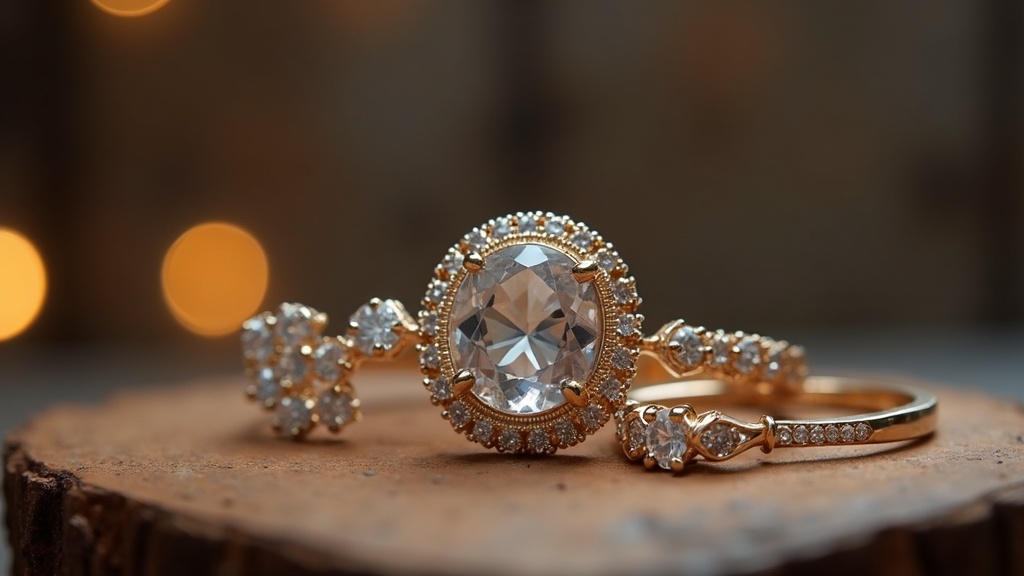
Understanding Best Ecommerce Jewelry Store Strategies
Understanding the best ecommerce jewelry store requires a focus on trust, visual presentation, and ethical sourcing. By integrating mobile optimization, augmented reality, and authentic storytelling, online jewelry retailers can significantly boost conversion rates and customer loyalty in a competitive market.
Table of Contents
- Quick Summary
- Understanding Best Ecommerce Jewelry Store in Context
- Introduction
- Building Trust Through Transparency and Content
- Leveraging Technology for Visual Presentation
- Mobile Optimization and User Experience
- Ethical Sourcing and Authentic Storytelling
- Frequently Asked Questions
- Comparison of Key Strategies
- Practical Tips for Success
- Final Thoughts on Understanding Best Ecommerce Jewelry Store
- Useful Resources
Quick Summary
Understanding best ecommerce jewelry store is the process of optimizing an online retail platform for selling jewelry through trust-building, high-quality visuals, mobile-first design, and ethical branding. This article explores four core strategies that drive sales and customer satisfaction.
Understanding Best Ecommerce Jewelry Store in Context
- Global online jewelry sales are projected to reach approximately $60 billion in revenue by 2026 (Statista, 2023)[1].
- In 2023, about 20 percent of total global jewelry sales were made through ecommerce channels (McKinsey & Company, 2023)[2].
- Luxury and jewelry brands that implement augmented reality try-on experiences can increase conversion rates by up to 30 percent compared with standard product pages (Deloitte, 2022)[3].
- Mobile devices account for approximately 70 percent of traffic to fashion and jewelry ecommerce sites (Adobe Digital Economy Index, 2023)[4].
Introduction
Understanding best ecommerce jewelry store is about more than just listing products online. The jewelry market is tactile and personal, which means online retailers must overcome the lack of physical touch through digital innovation. As David Edelman, Professor of Marketing at New York University Stern School of Business, notes, “For an ecommerce jewelry store, building trust is as important as showcasing beauty – detailed product descriptions, clear return policies, and visible customer reviews are what turn browsing into buying.”[5] This article breaks down four essential strategies – trust-building, visual technology, mobile optimization, and ethical storytelling – that define a successful online jewelry business.
Building Trust Through Transparency and Content
Trust is the foundation of any successful ecommerce jewelry store. Customers cannot physically inspect the product, so they rely on the information provided. Detailed product descriptions that include metal purity, gemstone quality, weight, and dimensions reduce uncertainty. Clear return policies and visible customer reviews further reassure buyers.
Sucharita Kodali, Vice President and Principal Analyst at Forrester Research, emphasizes that “Online jewelry retailers that invest in rich product content like 360-degree views and augmented reality try-on see significantly higher conversion rates than those relying on flat images alone.”[6] This type of content builds confidence by allowing customers to virtually examine the piece. Additionally, user-generated photos and reviews can increase jewelry purchase likelihood by around 15 percent (Nielsen, 2022)[7]. Stores that showcase real customer images alongside professional shots create a sense of authenticity.
Another aspect of trust is security. Displaying SSL certificates, secure payment badges, and clear contact information signals that the store is legitimate. For those looking to deepen their understanding of product presentation, the silver cat jewelry guide on T-Shirt Insight offers a detailed look at how specific product categories can be showcased effectively.
Leveraging Technology for Visual Presentation
Visual presentation is critical for an ecommerce jewelry store because customers need to see the sparkle, detail, and scale of each piece. High-resolution photography with zoom functionality is the baseline, but advanced technologies like augmented reality (AR) try-on tools take it further. Ramesh Raskar, Associate Professor at MIT Media Lab, explains, “Because jewelry is a tactile and highly personal product category, successful ecommerce stores are the ones that use technology to reduce uncertainty – from precise sizing tools to realistic visualization.”[8]
AR allows customers to see how a ring, necklace, or earring looks on their own body using a smartphone camera. This technology has been shown to increase conversion rates by up to 30 percent (Deloitte, 2022)[3]. For stores that cannot implement full AR, 360-degree product videos and multiple angle shots are effective alternatives. Lighting in photography is also crucial – using natural light or professional studio lighting can make metals and gemstones appear more vibrant.
Beyond product pages, video content such as styling tips, gemstone education, or behind-the-scenes craftsmanship videos can engage customers. A well-produced video can convey the quality and emotion of a piece better than text alone. This approach aligns with the broader trend where brands that create a distinctive online storytelling experience outperform generic marketplaces on both price and loyalty (McKinsey & Company)[2].
Mobile Optimization and User Experience
Mobile devices account for approximately 70 percent of traffic to fashion and jewelry ecommerce sites (Adobe Digital Economy Index, 2023)[4]. Therefore, a mobile-optimized ecommerce jewelry store is no longer optional – it is essential. This means fast loading times, thumb-friendly navigation, and responsive design that adapts to various screen sizes.
Key mobile features include a streamlined checkout process with multiple payment options like Apple Pay, Google Pay, and digital wallets. Product pages should load quickly and display images without lag. Zoom functionality should work smoothly on touchscreens. Additionally, mobile-friendly AR try-on tools can be a game-changer, as customers can use their phone camera to visualize jewelry instantly.
Search functionality on mobile must be robust, with filters for metal type, gemstone, price range, and style. Average return rates for jewelry purchased online are approximately 10 percent, lower than apparel which can exceed 20 percent (National Retail Federation, 2022)[9], partly because mobile-optimized stores provide better product information upfront. A seamless mobile experience reduces friction and encourages impulse purchases, which are common in the jewelry category.
Ethical Sourcing and Authentic Storytelling
Roughly 40 percent of consumers purchasing jewelry online consider ethical sourcing and sustainability information as a key decision factor (Boston Consulting Group, 2023)[10]. An ecommerce jewelry store that transparently communicates its supply chain, from mine to market, can differentiate itself in a crowded field. This includes certifications for conflict-free diamonds, recycled metals, and fair-trade gemstones.
Storytelling is the vehicle for this transparency. Brands that share the origin of their materials, the artisans who craft the pieces, and the environmental impact of their operations create emotional connections with buyers. About 60 percent of global consumers say they are comfortable buying fine jewelry online from brands they already know (PwC Global Consumer Insights Survey, 2023)[11], which underscores the importance of brand narrative in building familiarity.
Content such as blog posts, videos, and social media features can highlight these stories. For example, a store might publish a profile of a goldsmith or a behind-the-scenes look at a gemstone sourcing trip. This authenticity resonates with modern consumers who value purpose-driven brands. For further insights on how mindset and business success intersect, the article on subconscious beliefs and business success from T-Shirt Insight explores the psychology behind building a brand that customers trust.
Questions from Our Readers
What is the most important factor for an ecommerce jewelry store?
The most important factor is trust. Customers cannot physically touch or try on jewelry before buying, so they rely on detailed product descriptions, clear return policies, customer reviews, and professional photography. Building trust through transparency reduces purchase hesitation and increases conversion rates.
How can augmented reality help an online jewelry store?
Augmented reality (AR) allows customers to visualize how jewelry looks on their own body using a smartphone camera. This technology reduces uncertainty and can increase conversion rates by up to 30 percent. AR try-on tools are especially effective for rings, necklaces, and earrings where fit and appearance are critical.
Why is mobile optimization crucial for jewelry ecommerce?
Mobile devices drive approximately 70 percent of traffic to fashion and jewelry ecommerce sites. A mobile-optimized store ensures fast loading times, easy navigation, and a streamlined checkout process. Features like thumb-friendly buttons and mobile AR tools are essential for capturing impulse purchases and retaining customers.
How important is ethical sourcing for jewelry buyers?
Ethical sourcing is a key decision factor for roughly 40 percent of consumers purchasing jewelry online. Buyers increasingly look for conflict-free diamonds, recycled metals, and fair-trade certifications. Transparent communication about sourcing builds brand loyalty and appeals to values-driven shoppers.
Comparison of Key Strategies
Each strategy for building a successful ecommerce jewelry store addresses a different aspect of the customer journey. The table below compares four core approaches based on their primary focus, required investment, and expected impact on sales.
| Strategy | Primary Focus | Investment Level | Impact on Conversion |
|---|---|---|---|
| Trust & Transparency | Product descriptions, reviews, policies | Low to Medium | Reduces hesitation, builds loyalty |
| Visual Technology | AR try-on, 360-degree videos, high-res photos | Medium to High | Up to 30% increase |
| Mobile Optimization | Responsive design, fast load times, mobile checkout | Medium | Captures 70% of traffic |
| Ethical Storytelling | Sourcing transparency, brand narrative | Low to Medium | Appeals to 40% of buyers |
Practical Tips for Success
To implement these strategies effectively, consider the following actionable tips:
- Invest in professional product photography. Use multiple angles, zoom functionality, and consistent lighting to make each piece look its best. For silver items, consider a dedicated silver jewelry collection page to showcase the category.
- Implement AR try-on tools. Start with a pilot program for best-selling items like rings or earrings. Measure conversion rates before and after to calculate ROI.
- Optimize for mobile first. Test your site on multiple devices. Ensure checkout is frictionless with one-click payment options.
- Highlight ethical sourcing prominently. Create a dedicated page for your sustainability practices and link to it from product pages.
- Encourage user-generated content. Run a photo contest or offer a small discount for customers who post reviews with their own photos.
For more about Silver cat jewelry guide, see learn more about silver cat jewelry guide.
Final Thoughts on Understanding Best Ecommerce Jewelry Store
Understanding best ecommerce jewelry store requires a balance of technology, transparency, and storytelling. By focusing on trust-building content, advanced visual tools, mobile optimization, and ethical sourcing, online retailers can create a shopping experience that rivals in-store visits. The market is growing – projected to reach $60 billion by 2026 – and the brands that invest in these strategies will capture the most value. To learn more about optimizing your online jewelry presence, explore our comprehensive guide to silver jewelry ecommerce.
Useful Resources
- Statista. Global online jewelry sales projection.
https://www.statista.com - McKinsey & Company. Online jewelry sales share.
https://www.mckinsey.com - Deloitte. AR try-on conversion impact.
https://www2.deloitte.com - Adobe Digital Economy Index. Mobile traffic to fashion sites.
https://www.adobe.com - David Edelman, Professor of Marketing, New York University Stern School of Business. Ecommerce Trust Factors in Luxury and Jewelry Retail.
https://www.stern.nyu.edu - Sucharita Kodali, Vice President and Principal Analyst, Forrester Research. The State of Digital Experience in Retail.
https://www.forrester.com - Nielsen. User-generated content impact on jewelry purchases.
https://www.nielsen.com - Ramesh Raskar, Associate Professor, MIT Media Lab. Digital Visualization and Consumer Confidence in Online Retail.
https://www.mit.edu - National Retail Federation. Jewelry return rates.
https://www.nrf.com - Boston Consulting Group. Consumer preferences for ethical sourcing.
https://www.bcg.com - PwC Global Consumer Insights Survey. Comfort buying jewelry online.
https://www.pwc.com