
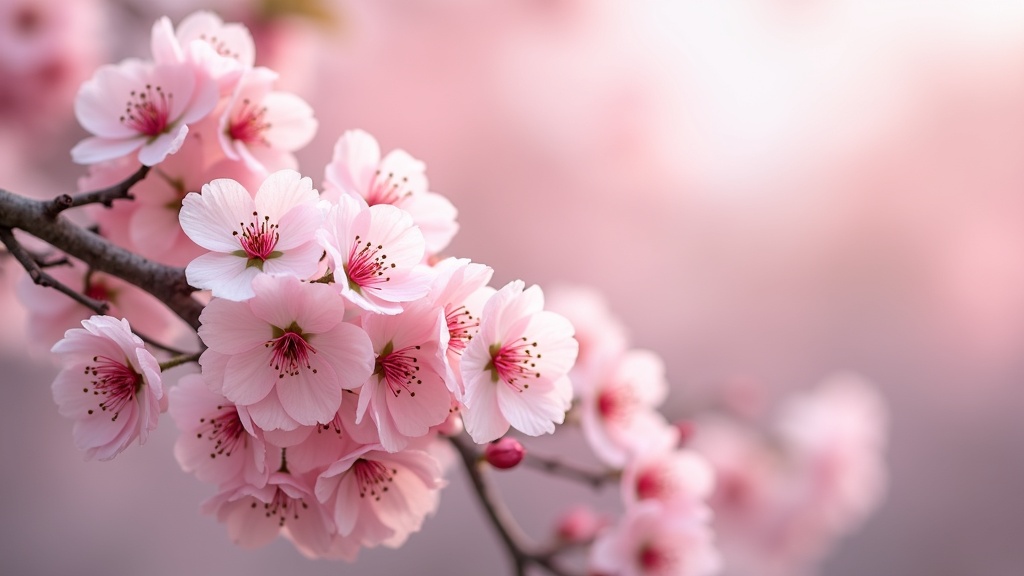
Ornamental Flowering Cherry Tree: Planting and Care Guide
Learn how to plant and care for an ornamental flowering cherry tree in your landscape. This guide covers site selection, sunlight needs, soil pH, watering, and common problems to ensure years of reliable spring blossoms.
Table of Contents
- Site Selection and Sunlight
- Soil pH and Watering Needs
- Planting Windows and Establishment
- Climate Stress and Winter Chill
- Frequently Asked Questions
- Comparison: Dwarf vs. Standard Ornamental Cherry Trees
- Practical Tips for Healthy Trees
- Key Takeaways
An ornamental flowering cherry tree is a small deciduous tree grown for its spectacular spring blossom display. This guide covers the essential care requirements – full sun, well-drained soil, proper watering, and winter chill needs – to help your tree thrive for decades.
- When winter chilling falls below 1,500 cumulative chill units, ornamental cherry trees show a noticeable decrease in flower display intensity and bloom quality (Frontiers in Forests and Global Change, 2024)[1]
- Tokyo cherry trees experiencing very mild winters with fewer than 1,000 cumulative chill units had flowering delayed by at least 16 days compared with colder winters (Frontiers in Forests and Global Change, 2024)[1]
- Ornamental cherry trees require at least 6 hours of direct sunlight per day, and preferably 8 hours, to maintain healthy growth and consistent flowering (University of Maryland Extension, 2024)[2]
- Optimal soil pH for ornamental flowering cherry trees is between 6.0 and 7.5 to ensure nutrient availability and good root development (University of Maryland Extension, 2024)[2]
An ornamental flowering cherry tree can transform any garden into a spring spectacle. These trees are prized for their clouds of pink or white blossoms that appear before the leaves emerge, creating a brief but breathtaking display. While they are often associated with famous cherry blossom festivals, these trees are surprisingly adaptable to home landscapes across many climates. However, success depends on understanding their specific needs. This article covers the four most critical aspects of care: site selection and sunlight, soil and watering, planting timing, and the often-overlooked role of winter chill. Whether you are a first-time gardener or an experienced landscaper, these guidelines will help you get the most from your tree.
Site Selection and Sunlight
Choosing the right location is the single most important decision you will make for your ornamental flowering cherry tree. These trees are not shade-tolerant understory plants; they need full sun to produce their best flower display. According to the University of Maryland Extension, ornamental cherry trees require at least 6 hours of direct sunlight per day, and preferably 8 hours, to maintain healthy growth and consistent flowering (University of Maryland Extension, 2024)[2]. A spot that gets morning sun is especially beneficial because it dries dew from the leaves quickly, reducing the risk of fungal diseases.
Air circulation is another key factor. Planting in a low-lying, damp area where cold air settles can increase the likelihood of frost damage to blossoms and promote disease. A slightly elevated spot with good air movement is ideal. Avoid planting too close to buildings, fences, or other large trees that could cast shade or restrict airflow. The root system of an ornamental cherry is relatively shallow and spreading, so give it room to grow without competition from turf grass or shallow-rooted shrubs. A layer of organic mulch around the base – kept a few inches away from the trunk – helps keep the roots cool and moist.
Finally, consider the visual impact. Because the bloom period is short – often just one to three weeks – position the tree where you can enjoy it from a window, patio, or walkway. Block plantings with a high proportion of flowering trees – above about sixty percent – are the most efficient way to create the dramatic, continuous blossom effect people expect from cherry-blossom tourism sites (Frontiers in Forests and Global Change, 2024)[3]. While most home gardens cannot replicate a full orchard, even a single well-placed tree can become the focal point of your spring landscape.
Soil pH and Watering Needs
Once you have selected a sunny, well-ventilated site, the next priority is soil preparation. Ornamental flowering cherry trees are not extremely fussy about soil type, but they do have a clear preference for pH. The University of Maryland Extension states that optimal soil pH for ornamental flowering cherry trees is between 6.0 and 7.5 to ensure nutrient availability and good root development (University of Maryland Extension, 2024)[2]. If your soil is highly acidic (below 6.0) or alkaline (above 7.5), certain nutrients like iron or manganese may become unavailable, leading to yellowing leaves and poor growth. A simple soil test from your local extension office will tell you where you stand and whether you need to add lime or sulfur to adjust the pH.
Drainage is equally important. Cherry trees do not tolerate wet feet. If your soil is heavy clay or tends to stay soggy after rain, consider planting on a slight mound or amending the soil with compost and coarse sand to improve drainage. The tree’s shallow roots are susceptible to root rot in waterlogged conditions. For the same reason, avoid overwatering. The University of Maryland Extension recommends that newly planted ornamental cherry trees should receive at least 1 inch of water per week in the absence of rainfall to establish healthy roots (University of Maryland Extension, 2024)[2]. Once established, they are moderately drought-tolerant but will flower best with consistent moisture during the growing season. A soaker hose or drip irrigation placed at the drip line is more effective than overhead sprinklers, which can wet the foliage and promote disease.
Horticulture educator Andrew H. Lea of the University of Maryland Extension puts it simply: “If you want years of reliable blossom from ornamental cherries, site selection matters more than anything else – full sun, good air circulation, and well-drained soil will prevent most of the problems homeowners see” (University of Maryland Extension, 2024)[2]. This advice underscores that soil and water management are not afterthoughts; they are foundational to the tree’s long-term health.
Planting Windows and Establishment
Timing your planting correctly gives your ornamental flowering cherry tree the best possible start. For landscape plantings of ornamental flowering cherry trees, early spring after the danger of frost or early fall before the first freeze are identified as the two best planting windows (Gardenia.net, 2024)[4]. Spring planting allows the tree to establish roots during the mild weather before summer heat arrives. Fall planting is also excellent because the soil is still warm, encouraging root growth while the top of the tree is dormant. Avoid planting in midsummer, when heat stress can overwhelm a young tree.
When you are ready to plant, dig a hole that is two to three times as wide as the root ball but no deeper. The top of the root ball should sit slightly above the surrounding soil level to prevent water from pooling around the trunk. Backfill with the original soil – do not add rich compost or fertilizer to the hole, as this can discourage roots from spreading outward. Water deeply immediately after planting, and apply a 2- to 3-inch layer of organic mulch (wood chips or shredded bark) around the base, keeping it a few inches away from the trunk to prevent rot.
For the first year, consistent watering is critical. The 1-inch-per-week guideline applies, but you may need to increase frequency during dry spells. Do not fertilize in the first year; the tree needs to focus on root establishment rather than leafy growth. Stake the tree only if it is in a windy location, and remove the stakes after one year. Pruning during the first few years should be limited to removing dead, damaged, or crossing branches. A well-established tree requires minimal pruning beyond shaping.
Climate Stress and Winter Chill
Many gardeners are surprised to learn that ornamental flowering cherry trees have a hidden requirement: a period of cold winter temperatures, known as winter chill. These trees evolved in climates with distinct seasons, and they need a certain amount of cold exposure to break dormancy and produce a uniform, vigorous bloom in spring. Research published in Frontiers in Forests and Global Change found that when winter chilling falls below 1,500 cumulative chill units, ornamental cherry trees show a noticeable decrease in flower display intensity and bloom quality (Frontiers in Forests and Global Change, 2024)[1]. In very mild winters, the consequences can be dramatic: Tokyo cherry trees experiencing very mild winters with fewer than 1,000 cumulative chill units had flowering delayed by at least 16 days compared with colder winters (Frontiers in Forests and Global Change, 2024)[1].
This is a growing concern as global temperatures rise. Senior Lecturer in Arboriculture Clive Watts of the University of Melbourne notes, “Ornamental flowering cherry trees are among the most climate-sensitive urban trees we manage, with warming winters already disrupting the timing and quality of their blossom displays in many cities” (Frontiers in Forests and Global Change, 2024)[1]. If you live in a region with mild winters – such as parts of the southern United States, coastal California, or the Mediterranean – you may need to select low-chill cherry varieties that require fewer than 500 chill units. Some of these include the ‘Autumnalis’ (which blooms intermittently in fall and spring) and certain Taiwan cherry cultivars. Check with your local nursery or extension service for recommendations specific to your area.
Beyond chill requirements, ornamental cherries are also vulnerable to spring frosts. A late freeze can kill the flower buds or ruin the blossoms just as they open. Planting on a slight slope or in a spot that is not a frost pocket can help. If a late frost is forecast, covering the tree with a frost cloth overnight can protect the buds. Understanding your local climate and choosing the right variety are essential steps for anyone serious about growing an ornamental flowering cherry tree in a warming world.
Frequently Asked Questions
How fast does an ornamental flowering cherry tree grow?
Most ornamental flowering cherry trees are moderate growers, adding about 1 to 2 feet of height per year under ideal conditions. Dwarf varieties grow more slowly. The final size depends on the cultivar: standard types like ‘Kanzan’ can reach 25 to 30 feet tall and wide, while dwarf forms like ‘Snow Fountain’ stay under 15 feet. Proper care – full sun, consistent water, and good soil – will maximize growth rate, but these trees are not considered fast-growing compared to poplars or willows.
Do ornamental cherry trees produce fruit you can eat?
No, the fruit of an ornamental flowering cherry tree is small, bitter, and mostly pit. These trees are bred for their flowers, not their fruit. The cherries that develop after blooming are typically less than half an inch in diameter and are not palatable to humans. They do provide food for birds and other wildlife. If you want edible cherries, you need a sweet or sour cherry tree (Prunus avium or Prunus cerasus), which are a different species entirely.
What are common pests and diseases of ornamental cherry trees?
The most common problems include fungal diseases like brown rot, cherry leaf spot, and powdery mildew, which are often exacerbated by poor air circulation and wet foliage. Pests such as aphids, scale insects, and tent caterpillars can also appear. The best defense is proactive: plant in full sun with good air flow, water at the base rather than overhead, and clean up fallen leaves in autumn to reduce overwintering pathogens. If problems persist, consult your local extension service for targeted, low-toxicity treatments.
When is the best time to prune an ornamental flowering cherry tree?
Prune your ornamental flowering cherry tree in late winter or early spring while it is still dormant, just before new growth begins. This timing minimizes sap bleeding and allows you to see the branch structure clearly. Remove dead, diseased, or crossing branches. Avoid heavy pruning in fall, as the tree is more vulnerable to infection at that time. Never prune in wet weather, as this can spread fungal spores. For young trees, limit pruning to structural shaping; mature trees need only occasional maintenance pruning.
Comparison: Dwarf vs. Standard Ornamental Cherry Trees
When selecting an ornamental flowering cherry tree, one of the first decisions is whether to choose a dwarf or standard-sized cultivar. The right choice depends on your available space, maintenance preferences, and the visual effect you want to create. The table below outlines the key differences between these two categories.
| Feature | Dwarf Ornamental Cherry | Standard Ornamental Cherry |
|---|---|---|
| Mature Height | 8–15 feet | 20–30 feet |
| Spread | 6–12 feet | 15–25 feet |
| Best Use | Small gardens, patios, containers | Specimen tree, parks, large lawns |
| Popular Cultivars | ‘Snow Fountain’, ‘Kojo-no-mai’ | ‘Kanzan’, ‘Yoshino’, ‘Shirofugen’ |
| Maintenance | Lower; minimal pruning needed | Moderate; requires occasional structural pruning |
| Bloom Impact | Delicate, weeping or compact form | Large, dramatic canopy of blossoms |
Practical Tips for Healthy Trees
Here are actionable tips to keep your ornamental flowering cherry tree thriving year after year. First, test your soil pH before planting and adjust it to the 6.0–7.5 range. Second, water deeply once a week during dry periods rather than giving shallow, frequent waterings – this encourages deeper root growth. Third, apply a fresh layer of organic mulch each spring to conserve moisture and suppress weeds, but keep it away from the trunk. Fourth, monitor for signs of stress like leaf yellowing or early leaf drop, which may indicate a pest or disease problem. Fifth, consider professional guidance on ornamental tree selection if you are unsure which cultivar suits your climate. Sixth, if you live in a region with mild winters, research low-chill varieties to ensure consistent blooming. Finally, prune only when necessary and always with clean, sharp tools to avoid introducing disease.
For more about Ornamental flowering cherry tree, see get expert advice on ornamental flowering cherry tree.
Key Takeaways
An ornamental flowering cherry tree can be a stunning addition to any landscape, but its success depends on meeting a few non-negotiable requirements. Full sun, well-drained soil with a pH between 6.0 and 7.5, consistent watering during establishment, and adequate winter chill are all essential for a reliable spring display. By choosing the right cultivar for your climate and planting it in the right location, you can enjoy decades of breathtaking blossoms. For more detailed guides on tree care and garden design, best cdl training near me and brain rewiring for entrepreneurs are available on our site.
Further Reading
- Impact of warmer winters on the flowering display of Tokyo cherry trees. Frontiers in Forests and Global Change / National Institute for Environmental Studies Japan.
https://pmc.ncbi.nlm.nih.gov/articles/PMC13043518/ - Ornamental Cherry Trees: Identify and Manage Problems. University of Maryland Extension.
https://extension.umd.edu/resource/ornamental-cherry-trees-identify-and-manage-problems - Enhancing the sustainability of cherry blossom landscapes – a case study in Fujian Province, China. Frontiers in Forests and Global Change.
https://www.frontiersin.org/journals/forests-and-global-change/articles/10.3389/ffgc.2024.1339603/full - Flowering Cherry Trees with Attractive Fall Colors. Gardenia.net.
https://www.gardenia.net/guide/flowering-cherry-trees-with-attractive-fall-colors